
Django: Beyond MVC - Understanding Django's Architectural Pattern
A Deep Dive into Django's PAC-like Architecture

Django, a high-level Python web framework, is often miscategorized as following the Model-View-Controller (MVC) architectural pattern. While it shares some similarities with MVC, Django's architecture more closely aligns with the Presentation-Abstraction-Control (PAC) pattern.
Let’s start by understanding the patterns first.
Understanding MVC
Model-View-Controller (MVC) divides application logic into three components:
Model: Manages data and business logic
View: Presents information to users
Controller: Converts user input into commands for model or view
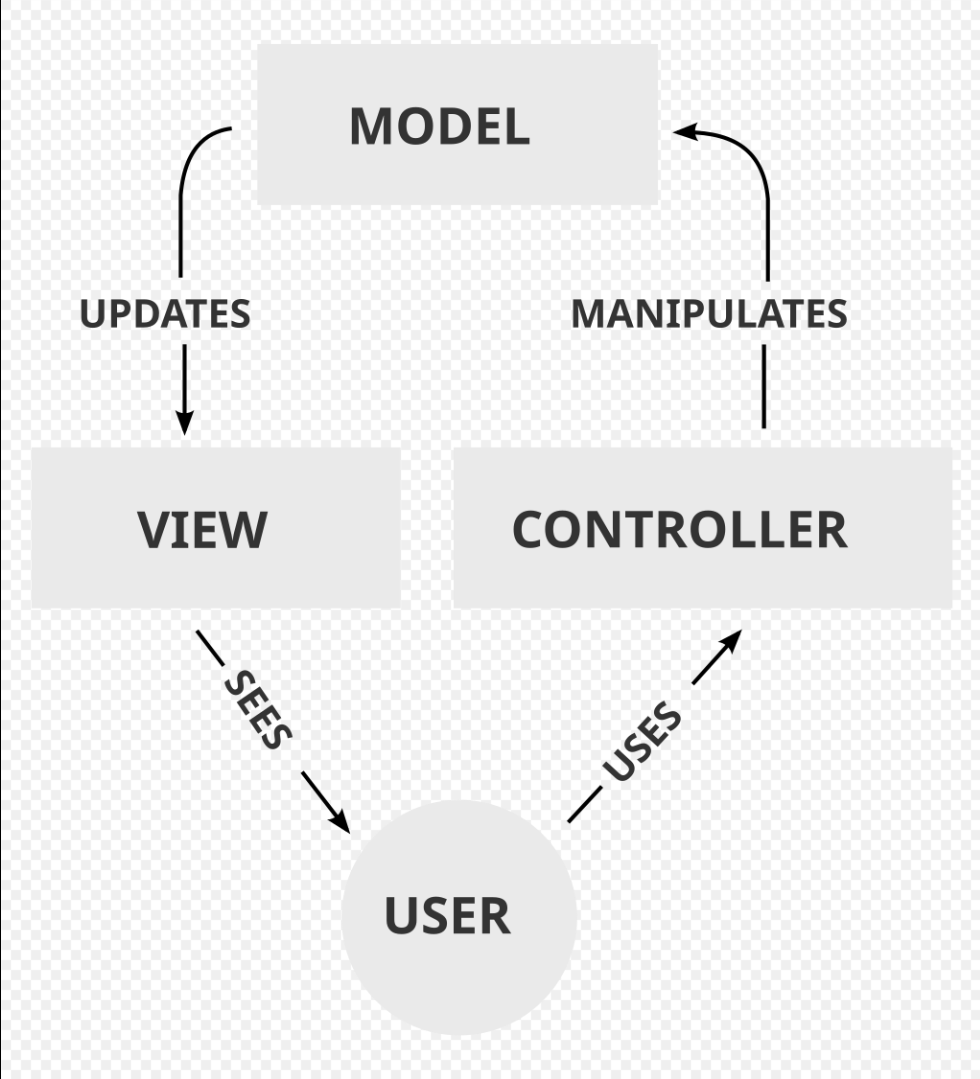
The controller processes input, validates it, and communicates with the model, which then updates the view. This creates separation of concerns with direct communication between components.
Understanding PAC
Presentation-Abstraction-Control (PAC) is an interaction-oriented software architecture, and is somewhat similar to MVC - it separates the system into three types of components responsible having their own concerns.
Abstraction: Retrieves and processes the data
Presentation: Handles visual display
Control: Manages communication between components
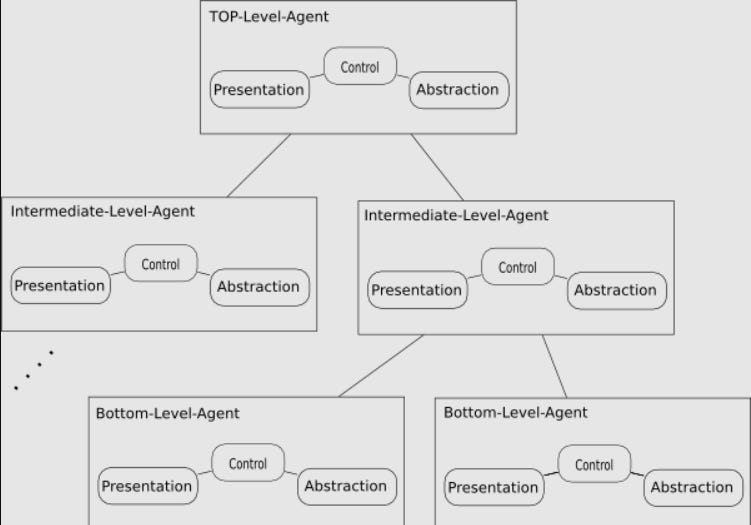
PAC is used as a hierarchical structure of agents, each consisting of a triad of presentation, abstraction and control parts. The agents communicate with each other only through the control parts.
Before we dive deep into Django’s architecture, do subscribe to learn more.
Why Django is not MVC
Django's architecture fundamentally differs from MVC in three key aspects:
In Django, "views" determine which data to show, not how to display it. They act more like controllers in MVC, handling the business logic and data processing.
Django's templates handle the presentation layer, functioning like views in traditional MVC. They focus solely on how data looks.
Django doesn't have a dedicated controller layer. Instead, the framework itself handles URL routing and request processing.
Django's PAC-like Architecture
Django's structure more closely resembles the Presentation-Abstraction-Control (PAC) pattern:
Presentation Layer (Templates): It handles purely visual presentation of data. It remains completely isolated from data processing. This mirrors PAC's presentation component.
Abstraction Layer (Models): It manages data and business logic. It operates independently of presentation concerns. This aligns with PAC's abstraction component.
Control Layer (Views + Framework): Views control data flow and processing. Framework handles routing and communication. Together they fulfil PAC's control role, managing interactions between templates and models.
Templates (presentation) and models (abstraction) remain strictly isolated, with views acting as the control layer managing communication between them - matching PAC's hierarchical design.
Django's Perspective
Django's creators explicitly address this architectural distinction. According to Django's documentation:
"In our interpretation of MVC, the 'view' describes the data that gets presented to the user. It's not necessarily how the data looks, but which data is presented. The view describes which data you see, not how you see it."
They suggest "MTV" (Model-Template-View) as a more accurate acronym for Django's architecture, where:
Model remains similar to MVC's model
Template handles presentation (similar to MVC's view)
View determines which data is presented (similar to MVC's controller)
Conclusion
Django's architectural pattern goes beyond simple MVC or MTV categorization. Its alignment with PAC concepts creates a more nuanced approach to web application architecture, where templates and models remain isolated while views handle the control flow.
This separation isn't just theoretical - it fundamentally shapes how Django applications should be structured. Understanding this architectural choice helps developers work with Django's design rather than against it, avoiding common pitfalls that come from incorrectly applying MVC patterns.
Whether you call it MTV or see it as PAC-like, Django's architecture succeeds in its primary goal: creating maintainable, scalable web applications through clear separation of concerns and well-defined component responsibilities.
Found any mistakes? Have suggestions for additional examples or topics you'd like me to cover? Drop a comment below!
I'm constantly looking to improve and make these explanations more helpful. Whether you're a beginner or an experienced developer, your insights help make this content better for everyone.